Durham, New Hampshire, USA
Biogas Upgrading from Landfill Gas
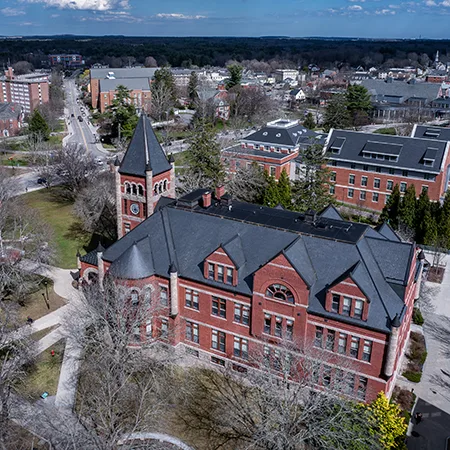
University of New Hampshire Campus
Project details
Technology: Single-stage PSA
Commissioned: 2009
Biogas Source: Landfill
LFG upgraded for Combined Heat & Power
Specifications
Capacity: 4825 Nm³/h / 3000 SCFM
Raw Gas Composition: 51.6% CH₄, 41.3% CO₂, 6.4% N₂ 100%RH
Design Specifications RNG / Biomethane: 85% CH₄, 2% CO₂
Power Consumption of Biogas Upgrading Plant:
0.42 – 0.48 kW/scfm (0.26 – 0.30 kWh/NCM) raw biogas
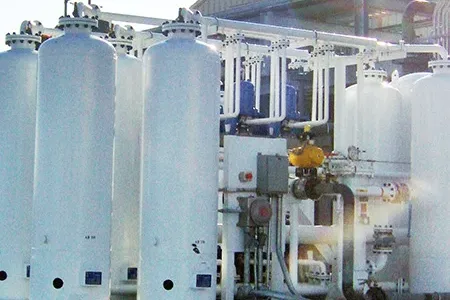
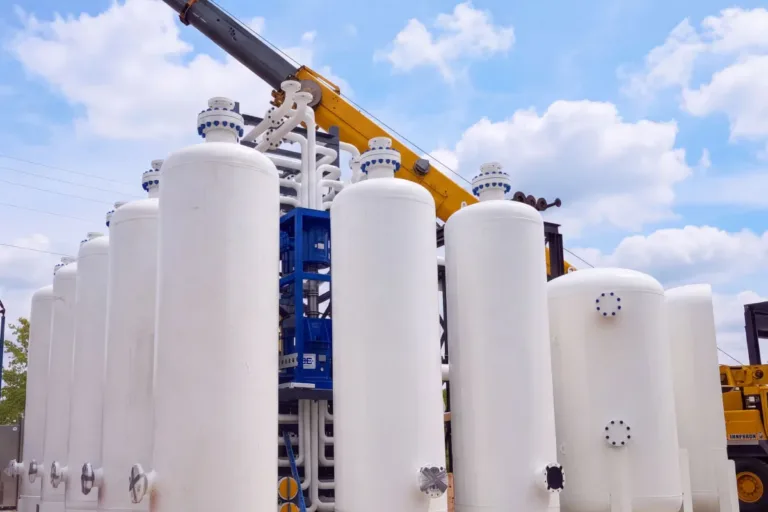
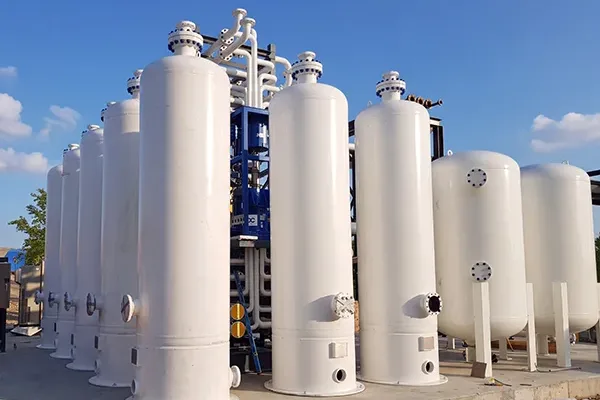
At Waste Management’s Turnkey Landfill in Rochester, New Hampshire, IVYS’s fast-cycle PSA systems remove CO₂ from landfill gas so it can fuel the University of New Hampshire’s cogeneration plant 12.7 miles away — supplying up to 85% of the campus’s electricity and heat.
The Challenge: Replacing Natural Gas with Landfill Gas at Campus Scale
In 2006 University of New Hampshire (UNH) opened a new cogeneration plant that captures waste heat from power generation to heat campus buildings. Its turbines were designed to burn commercial natural gas, and the university’s energy costs had doubled in five years.
Twelve miles away, Waste Management’s Turnkey Landfill was producing more gas than its own power plants could use. The opportunity was clear: purify the surplus landfill gas and send it to campus. The difficulty was gas quality. Raw landfill gas at Turnkey carries only about 51.6% CH₄, with 41.3% CO₂, 6.4% N₂ and 0.7% O₂, and arrives saturated with water. At roughly 530 Btu/ft³, it could not fuel turbines built for natural gas.
The IVYS Solution at the Turnkey Landfill
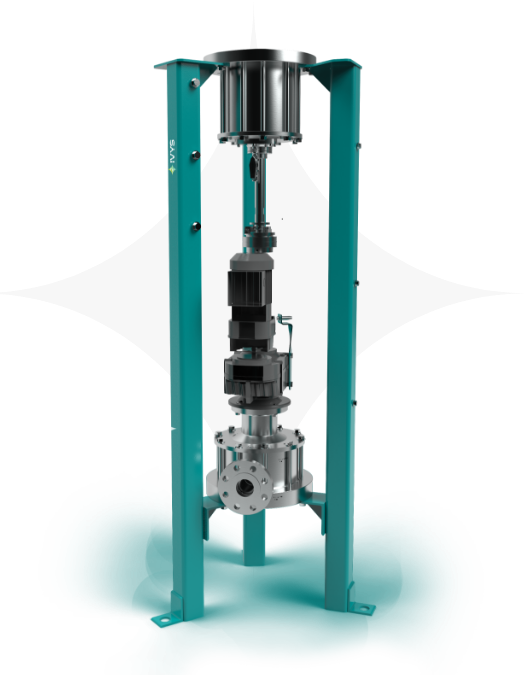
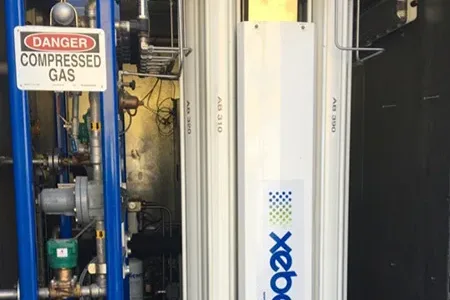
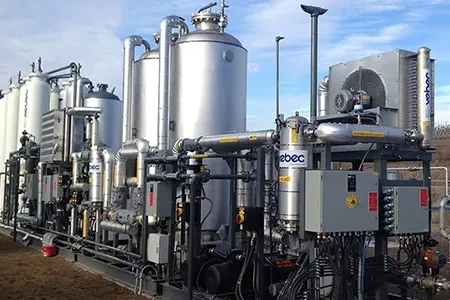
In 2007 UNH engaged SCS Energy to design, build and operate a landfill gas processing plant at the landfill. SCS selected QuestAir, whose fast-cycle rotary valve PSA technology became part of XEBEC and is now IVYS, to supply the CO₂ removal step.
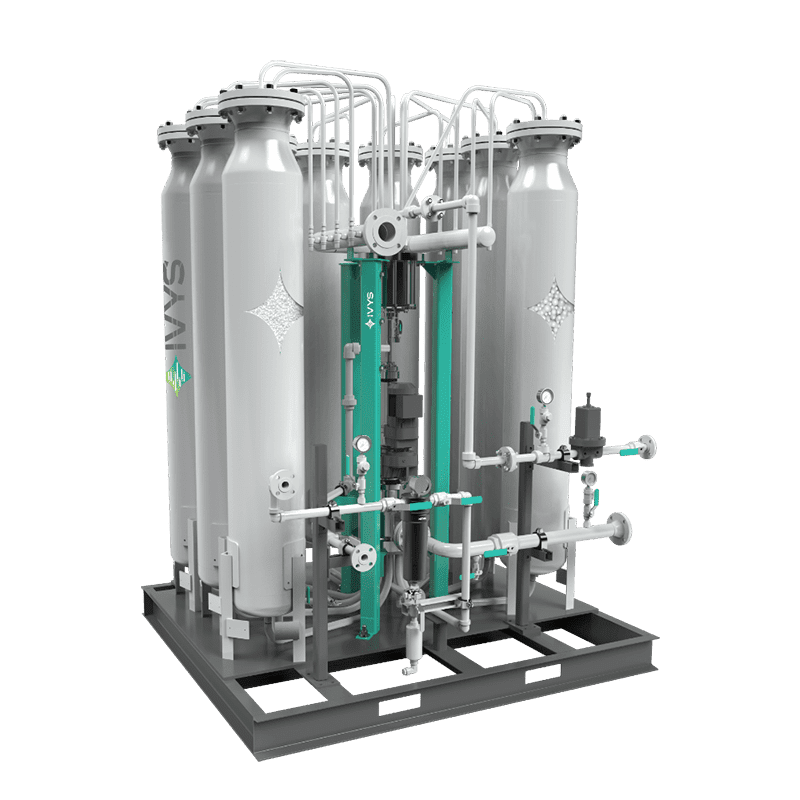
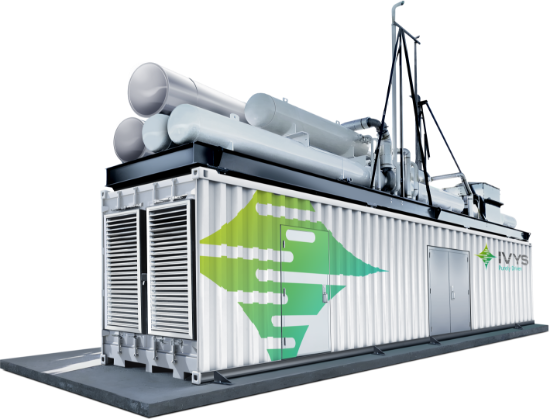
The plant cleans the gas in stages. Inlet blowers and coolers feed an H₂S removal step, then flooded-screw compressors with refrigeration. A temperature swing adsorption (TSA) unit removes volatile organic compounds and siloxanes. The upgrading solution then removes CO₂, water vapor and most remaining trace gases
The product is about 85% CH₄ at around 850 BTU/CuFt — close to natural gas and meets the specification for the campus turbines. Because the gas fuels turbines rather than a utility pipeline, nitrogen can stay in the product, which keeps the process simple and operates at higher methane recovery.
Results: Reliable Fuel for a 5-Million-Square-Foot Campus
Landfill gas began flowing to campus in May 2009. EcoLine™ supplies up to 85% of the electricity and heat for UNH’s five-million-square-foot campus, and a second turbine burns surplus gas to sell power to the New England grid.
The EPA named EcoLine™ an LMOP Project of the Year and honored the team at its 13th annual LMOP Conference in January 2010. According to the EPA, the project’s greenhouse gas reduction equals taking about 12,500 passenger cars off the road each year.
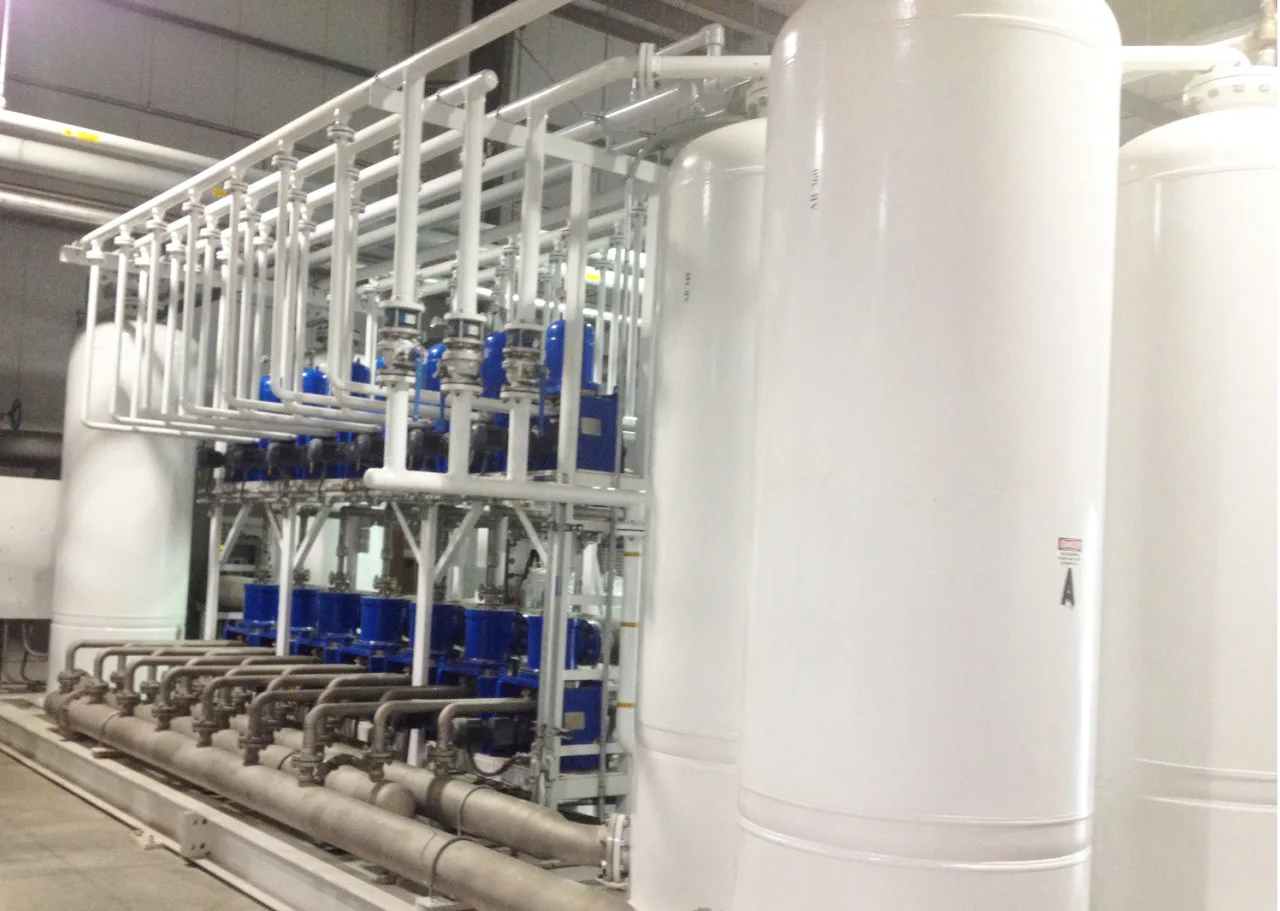
PSA at Turnkey Landfill
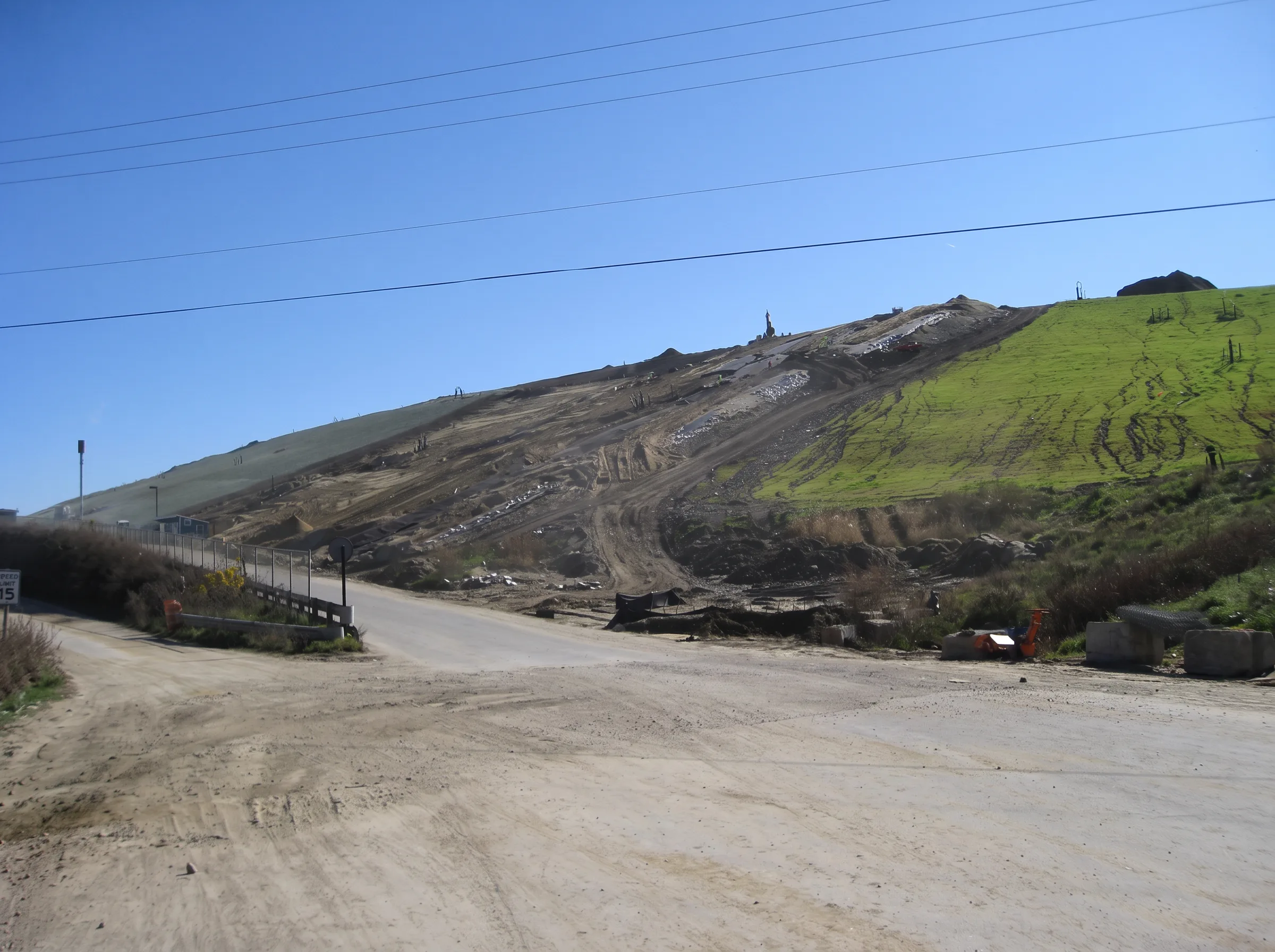
Turnkey Landfill
Why It Matters for Landfill Operators
- A large, steady gas user: a dedicated pipeline turns surplus landfill gas into a long-term fuel contract.
- Proven at scale: the processing plant handles 5,500 SCFM of landfill gas without interrupting power generation.
- Right-sized purification: the PSA targets the gas quality the end use needs, here about 85% CH₄ for turbines.
- Low attention required: the system was easy to install and integrate and runs with little operator intervention.
- Recognized results: EPA LMOP Project of the Year.
From our clients
“One of the keys to the success of the gas processing plant we designed for the project was the Methane Upgrading solution provided by Xebec. Not only was it easy to install and integrate the upgrading system, but it’s proven to be extremely reliable, so the total system can process 5,500 standard cubic feet per minute of landfill gas without interruptions of power generation. It truly provides a worry-free operation for university facilities staff.”
— Jeffrey L. Pierce, P.E., Vice President, SCS Energy
“It’s a great honor to receive this award from the EPA and we’re pleased to share this recognition with the many team members, such as Xebec Adsorption, who helped us achieve the environmental and energy results we’ve realized with the EcoLine™.”



Contact-us
Do you have an upcoming project or a question? Use the form below, and we’ll get back to you.